Description
Excellent Livestock Investment Opportunity in Charagua, in the Heart of the Bolivian Chaco
Strategic Location and Access
The property is located near Charagua, in the heart of the Bolivian Chaco, approximately 300 kilometers from Santa Cruz de la Sierra.
Access is via paved roads to Charagua, continuing along the route connecting the town with San Antonio del Parapetí. From there, a local road runs westward, parallel to the Parapetí River, providing access to the property.
The area offers promising development prospects, driven by ongoing improvements in road infrastructure and the continued expansion of regional agricultural and livestock activities.
Existing Infrastructure
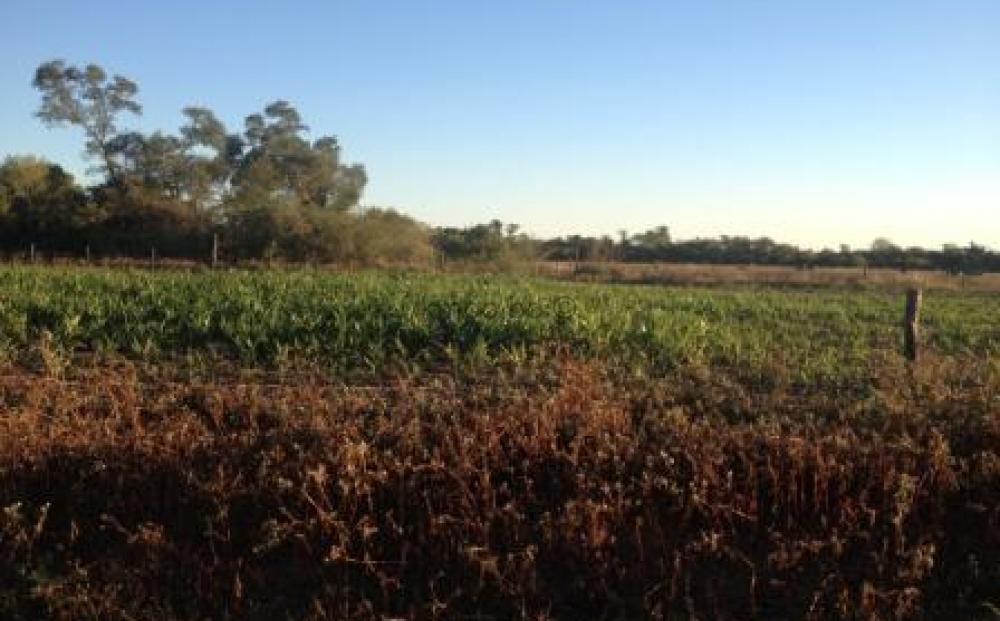
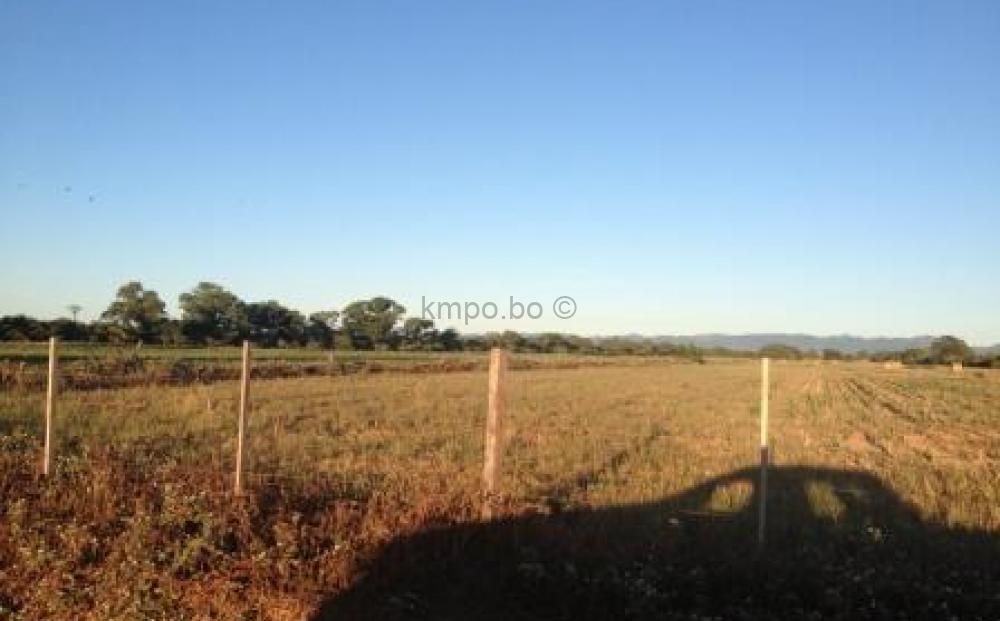
The property features basic infrastructure for initiating livestock operations, including a water well, a rustic residence, a cattle corral with handling facilities, and an existing pasture paddock.
These facilities provide an initial operational foundation for launching a productive project and progressively upgrading the infrastructure in line with the investor’s objectives.
Soil Characteristics and Climate
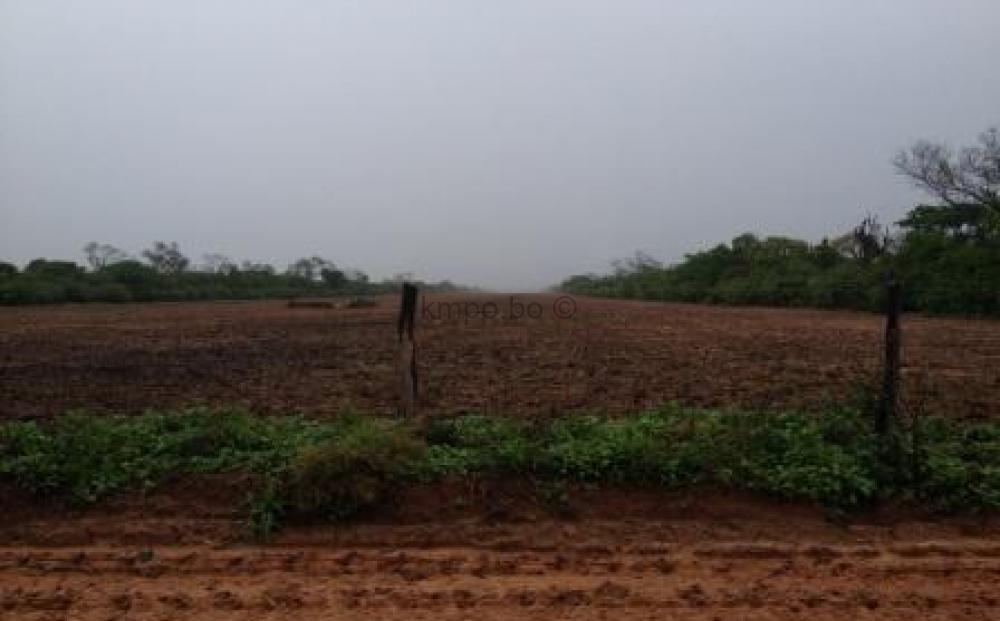
The property features two main soil types. The first consists of clay-loam and silty-clay soils with favorable phosphorus levels and suitable conditions for agricultural and livestock production. The second comprises sandier soils with comparatively lower fertility.
Annual rainfall averages approximately 700 millimeters, concentrated primarily between December and May. These climatic conditions require efficient management of forage resources, reliable water availability, and careful planning of livestock nutrition during the dry season.
According to the applicable Land Use Plan (Plan de Uso del Suelo, or PLUS), the property is designated for agricultural and livestock activities, allowing investors to consider different development alternatives, subject to the relevant regulations and authorizations.
Agricultural Potential and Forage Production
The soil characteristics make it possible to evaluate the production of summer crops such as corn, sorghum, and soybeans. These crops can complement livestock operations and contribute to improving the overall efficiency of the production system.
One of the most promising strategies for this region is to maximize production during the rainy season by establishing pastures and growing forage crops, while conserving surplus forage for use during the dry months.
Strategic forage production and conservation can help reduce the risks associated with seasonal rainfall, maintain cattle body condition, and support more consistent production performance throughout the year.
Potential for a Beef Cattle Breeding Operation
Given its agroclimatic characteristics, the property offers attractive conditions for developing a beef cattle breeding operation adapted to the Chaco environment. The proposed system would be based on quality genetics, stocking rates suited to the property’s productive capacity, and effective forage reserve planning.
Through efficient reproductive management, nutrition, and animal health programs, the operation could target competitive productivity levels. As a benchmark, well-managed systems can achieve weaning weights of approximately 250 kilograms per calf, depending on genetics, nutritional conditions, and management practices.
An Investment with Strong Productive Potential
This property represents an attractive option for investors seeking to establish a livestock operation in one of Bolivia’s principal cattle-producing regions.
Its location in the Bolivian Chaco, the potential to integrate crop production with livestock farming, and the opportunity to develop infrastructure progressively provide a foundation for a production model tailored to the region’s natural conditions.
An opportunity to invest in agricultural land and develop a beef cattle breeding operation focused on operational efficiency, the effective use of available resources, and long-term business sustainability.
Address
View in Google Maps- State Santa Cruz
- Area Charagua
- Country Bolivia
Details
Updated on October 15, 2026 at 11:30 am- ID: 22
- Price: 165 USD/Ha.
- Area: 5000 ha.
- Referencia: 22
- Apto para uso: Livestock